Daijiworld Media Network - London
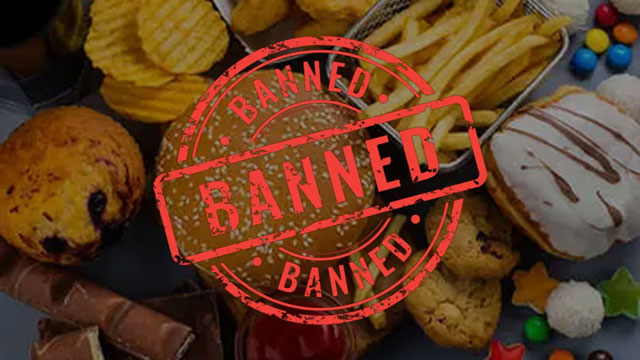
London, Jan 6: The UK government has enforced sweeping restrictions on junk food advertising, banning advertisements for less healthy food and drinks on television before 9 pm and online at all times, in what it described as “world-leading” action to tackle childhood obesity.
The new regulations, which came into force on Tuesday, are expected to remove up to 7.2 billion calories from children’s diets every year, reduce the number of children living with obesity by around 20,000, and deliver an estimated £2 billion in long-term health benefits.
Health Minister Ashley Dalton said the move reflects the government’s commitment to children’s well-being. “By restricting junk food adverts before 9 pm and banning paid adverts online, we can significantly cut children’s exposure to unhealthy foods and make healthier choices easier for families,” she said.
The government cited evidence showing that food advertising strongly influences children’s eating habits from an early age. In England, 22.1 per cent of children are overweight or obese at the start of primary school, a figure that rises to 35.8 per cent by the time they leave.
The Department of Health and Social Care said it has been working closely with health campaigners and industry leaders to balance public health goals with economic considerations. Food and beverage companies had voluntarily complied with the restrictions since October 2025, ahead of their legal enforcement.
Officials noted that earlier measures, such as the Soft Drinks Industry Levy, led to widespread product reformulation. Similar efforts are now being seen as companies promote healthier alternatives in response to the advertising ban.
Health campaigners welcomed the move. Katharine Jenner, executive director of the Obesity Health Alliance, called the ban a long-awaited step to protect children from harmful advertising. Malcolm Clark of Cancer Research UK said the measures, if properly enforced, would help create a healthier environment and reduce future cancer risks linked to obesity.
The advertising restrictions form part of a broader prevention strategy that includes extending the sugar levy to milk-based drinks, banning the sale of high-caffeine energy drinks to under-16s, mandating healthy food sales reporting, and empowering local authorities to restrict fast food outlets near schools.
Alice Wiseman of the Association of Directors of Public Health said the approach mirrors lessons learned from tobacco control, where tighter advertising restrictions proved crucial in reducing long-term health harm.