Daijiworld Media Network - New Delhi
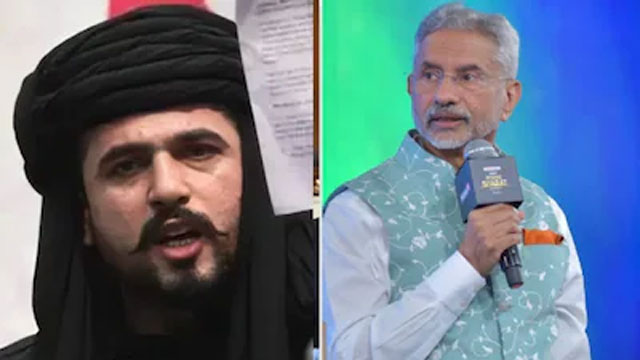
New Delhi, Jan 2: Baloch leader Mir Yar Baloch has written an open letter to External Affairs Minister S. Jaishankar, urging India to strengthen engagement with what he called the “Republic of Balochistan” and warning of growing threats from the Pakistan–China alliance. The letter, dated January 1, was shared publicly on X, tagging Prime Minister Narendra Modi to seek New Delhi’s attention and support.
In his message, Mir Yar Baloch congratulated India on the New Year and lauded the Modi government’s security stance, including what he described as decisive action against Pakistan-backed terrorism during last year’s Operation Sindoor — a retaliatory counterterrorism exercise targeting terrorist camps in Pakistan and Pakistan-occupied Kashmir (PoK) following the Pahalgam massacre in April 2025.
The Baloch leader highlighted historical and cultural ties between India and Balochistan, pointing to the Hinglaj Mata Temple (Nani Mandir) in Hingol National Park as a shared sacred site. He described the temple as a living symbol of civilisational and spiritual links, strengthening the case for closer engagement beyond immediate security concerns.
A significant portion of the letter focused on the Pakistan–China strategic partnership. Mir Yar Baloch warned that the China–Pakistan Economic Corridor (CPEC) had reached its “final phases” and claimed China could deploy military forces in Balochistan if local resistance continued to be ignored. He argued such developments would pose a direct security threat to both Balochistan and India.
The appeal comes amid ongoing unrest in Balochistan, where activists have long accused Pakistan of enforced disappearances, military crackdowns, and human rights violations. Clashes between Pakistani security forces and Baloch separatists have intensified in recent years, with attacks on infrastructure projects and Chinese-linked assets becoming more frequent.
Mir Yar Baloch accused Pakistan of decades-long occupation and state-sponsored violence, stating that the Baloch people have been denied political rights, economic control, and self-determination for nearly eight decades. He called for “tangible and reciprocal cooperation” with India, emphasizing that shared threats demanded substantive action.