Daijiworld Media Network - New Delhi
New Delhi, Dec 10: In a charged Lok Sabha session on Wednesday, senior BJP leader and former Union Minister Ravi Shankar Prasad launched a strong rebuttal to the Congress during discussions on electoral reforms, accusing the party of doubting the democratic process only when it loses.
Prasad argued that the opposition routinely questions the Election Commission’s integrity after every electoral setback. “If the people of India are choosing not to vote for you, what fault is ours?” he remarked, prompting enthusiastic applause from the Treasury benches.
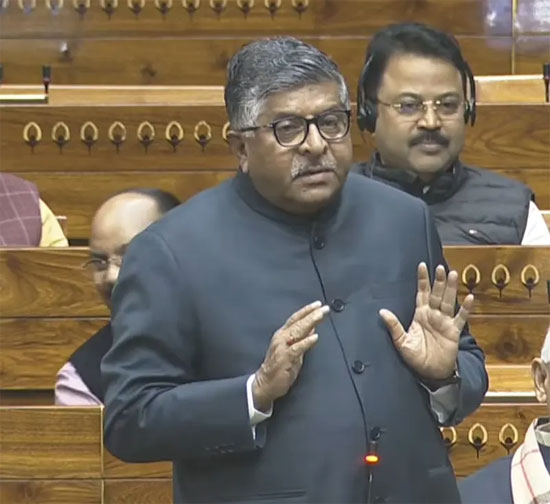
Pointing to the Congress’ dismal performance in the recent Bihar Assembly elections, the Patna Sahib MP quipped that despite loud rallies and repeated allegations tied to the SIR (Special Investigation Report), the party managed to secure just five seats. According to him, voters endorsed the development work carried out by the BJP and Chief Minister Nitish Kumar.
The BJP leader also took direct aim at Congress General Secretary K.C. Venugopal, who had earlier criticized the government over the SIR, the selection of the Chief Election Commissioner, and alleged “vote theft.” Prasad contested Venugopal’s participation in the debate, noting that he is a petitioner in a Supreme Court case challenging the same issues.
“A person who has moved the Supreme Court on this matter has no moral standing to comment here,” Prasad insisted, urging the Chair to erase Venugopal’s remarks from the official records.
Calling for introspection within the opposition ranks, Prasad said it was time the Congress examined why voters continued to reject it instead of repeatedly accusing the Election Commission of bias.
In response, Krishna Prasad Tenneti, presiding over the session, stated that the House would review the proceedings and take suitable action.
The confrontation highlighted the widening friction between the ruling NDA and the opposition INDIA bloc over contentious electoral reform provisions, including the SIR-related measures, legal protections for Election Commissioners, and the structure of the selection panel.