Daijiworld Media Network - Mumbai
Mumbai, Oct 28: A large US study has found that infective endocarditis (IE), a potentially serious infection affecting the heart’s inner lining and valves, occurred significantly less frequently after transcatheter aortic valve replacement (TAVR) than after surgical aortic valve replacement (SAVR).
The findings, presented at IDWeek 2026, provide large-scale evidence in a comparison that has previously produced conflicting results.
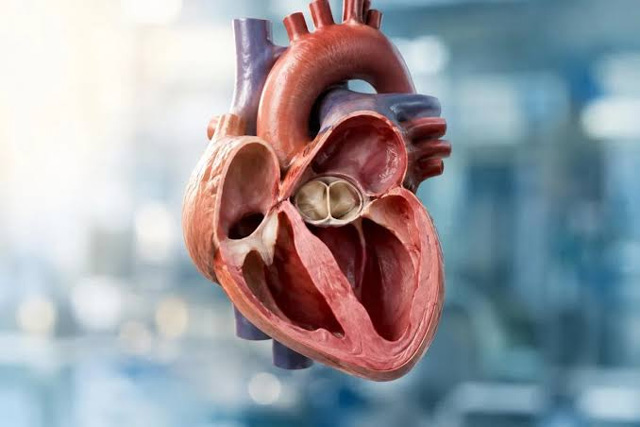
Researchers analysed US electronic health records covering 373,946 aortic valve replacement procedures performed between January 1, 2018, and December 31, 2025. The study included 262,465 TAVR procedures and 111,481 SAVR procedures. Endocarditis cases were identified using ICD-10 codes and classified as early, occurring within three months of the procedure, or late, developing after three months.
Overall, 3.44% of patients developed infective endocarditis. The incidence was 2.63% among TAVR recipients, compared with 5.37% among those who underwent SAVR, representing a 51% lower rate following the transcatheter procedure. Early endocarditis rates showed an upward trend in both groups during the study period, while late cases declined sharply after 2023, possibly because of shorter follow-up periods for more recent procedures.
Staphylococcus aureus was the most frequently identified bloodstream pathogen in both groups, accounting for 29.7% of cases after TAVR and 36.1% after SAVR. Enterococcus faecalis was the second most common organism, identified in 20.3% of TAVR cases and 15.7% of SAVR cases.
Women accounted for 41.3% of endocarditis cases among TAVR recipients, compared with 28% among patients who underwent surgery.
The study also found differences in the age and socioeconomic profiles of the two groups. Patients undergoing TAVR were generally older, with 40.3% aged 80 or above, compared with 5.9% of SAVR recipients. TAVR recipients were also less socioeconomically vulnerable.
Among patients who did not develop endocarditis, 12-month mortality was higher following TAVR than SAVR, at 7.15% and 5.05%, respectively. However, among patients who developed the infection, mortality rates were not significantly different, at 7.98% after TAVR and 8.71% after SAVR.
Researchers noted that the older age of TAVR recipients could partly explain their higher one-year mortality. Although the findings indicate a lower incidence of infective endocarditis after TAVR, the risk remains following either procedure, highlighting the importance of effective infection prevention and monitoring after aortic valve replacement.