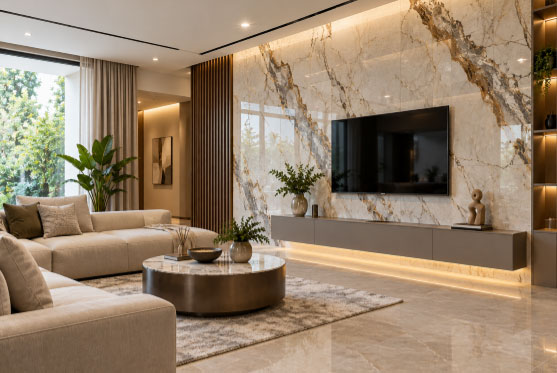
Walls are among the largest surfaces in any room, so they play a major role in shaping a space's overall look and feel. For years, wallpaper and paint have been common choices for dressing walls, and both still have their place. Large-format wall surfaces offer another approach for interiors where durability, continuity, and easy maintenance are important. They can create a more substantial finish while reducing the visual breaks often associated with smaller wall coverings. The appeal becomes clearer when you consider everyday use. A wall may need to handle regular contact, occasional spills, moisture, and general wear while still maintaining its appearance.
What Wall Slabs Bring To A Modern Interior
Wall slabs are large-format surface panels fixed to walls to create a seamless, durable finish that can last for years, giving your space a polished look. They combine the visual character of natural materials with the practical properties of engineered surfaces. Large-format wall surfaces are ideal where durability, continuity, and easy maintenance matter.
The qualities that make them suitable for modern interiors include:
- A seamless look: Large panels can reduce the repeated seams associated with smaller wall coverings.
- Durability: A hard surface can better withstand everyday scuffs and contact than some conventional wall finishes.
- Moisture and stain resistance: These properties can be useful in kitchens, bathrooms, and other areas exposed to moisture or spills.
- Design flexibility: Options can range from stone-inspired patterns and veining to understated solid tones.
Engineered surfaces can add another layer of practicality when selecting a wall finish. For instance, Neotra Advanced Surfaces offers engineered surfaces focused on durability, making them relevant for spaces where the wall needs to maintain its appearance while remaining easy to manage over time. These characteristics can turn a wall into a longer-lasting design feature rather than a surface that needs frequent refreshing.
How Wall Slabs Compare With Wallpaper And Paint
Each wall finish serves a different purpose, so the right choice depends on the room, budget, and expected level of use. Paint is generally quick to apply and easy to change, with a broad range of colors available. However, painted walls can develop marks, chips, and signs of wear over time. Wallpaper can introduce pattern and texture, although edges may peel and some types are less suited to damp environments.
Wall slabs are a more permanent option. They generally cost more upfront and require professional installation, but they can provide a hard-wearing, moisture-resistant finish that needs less routine upkeep.
A simple way to consider the options is to match them to the room:
- For a quick refresh: Paint can work well in bedrooms, studies, and other relatively low-use areas.
- For pattern and texture: Wallpaper can suit dry rooms where walls are less exposed to moisture and heavy contact.
- For a lasting feature: Wall slabs can suit areas where durability, moisture resistance, and easy maintenance are priorities.
The decision therefore comes down to the room's needs and how long you want the finish to last.
Where Wall Slabs Work Best
Wall slabs can be particularly useful where a surface sees regular use or where you want a continuous visual effect. They can suit several areas across a modern interior.
- Living room feature walls and media units: A continuous surface can create a clean and considered backdrop.
- Kitchen splashbacks: A wipe-clean and heat-tolerant surface can be practical around cooking areas.
- Bathrooms and shower walls: Moisture-resistant surfaces with fewer joints can make cleaning easier.
- Hallways and staircases: These areas experience regular contact and can benefit from a durable surface.
Large-format surfaces can also be used in exterior applications where the product is suitable. This can allow an exterior wall design to complement an interior feature, creating a more connected visual language across different areas of a property.
Design And Finish Options
The range of available finishes makes it easier to coordinate wall surfaces with different interior styles. Matt surfaces can create a soft, contemporary appearance and may help reduce the visibility of fingerprints. Polished finishes reflect light and can brighten darker spaces.
Stone-inspired patterns and veining can introduce visual depth, while solid tones can suit simpler, more understated interiors. Large formats can let patterns extend across a wall with fewer interruptions, supporting the continuous look associated with wall slabs.
Color and pattern consistency also matter, particularly across larger installations. Viewing samples in the room's actual lighting, alongside flooring, furniture, and other finishes, can help you understand how the final surface will look.
Practical Points Before You Choose
A wall slab is a longer-term choice than paint, so consider the practical requirements before installation. Planning these details early can help avoid complications later and ensure the selected surface works well with the wall and the room's intended use.
- Installation: Panels require a suitable, sound wall and skilled installation.
- Weight and fixing: Check that the wall can support the panels and that the fixing method suits the job.
- Surface performance: Consider durability, maintenance needs, and how the surface will perform in the intended space.
- Budget: Consider the higher initial cost alongside potential savings in ongoing maintenance and repainting.
- Future changes: A fixed surface is harder to replace than paint, so choose a finish that fits your longer-term design plans.
Considering these points can help ensure the finished wall suits both the space and how it will be used, while clarifying installation and maintenance requirements from the start.
Conclusion
Wall slabs offer an alternative to paint and wallpaper for interiors where durability, continuity, and low maintenance are important. Their large format can create a near-seamless appearance, while suitable surfaces can handle moisture, everyday contact, and regular cleaning. They generally require a higher initial investment and professional installation, but they can provide a lasting finish for high-traffic areas. The key is to choose the surface, finish, and application based on the room's requirements. With careful planning, a wall slab can become a practical and considered part of a modern interior.