Daijiworld Media Network - Bengaluru
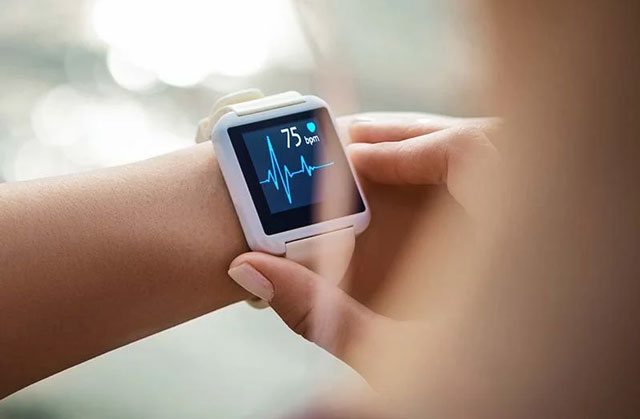
Bengaluru, Aug 14: Smartwatches have become increasingly capable of monitoring heart rate, recording an ECG and alerting users to irregular heart rhythms. However, cardiologists caution that a normal smartwatch reading does not necessarily mean that the heart is completely healthy.
According to Dr Ashok Malpani, Interventional Cardiologist at BM Birla Heart Hospital, smartwatches can help identify certain warning signs, particularly changes in heart rate and rhythm, but they cannot provide a complete assessment of heart health.
Most commercial smartwatches use optical sensors to continuously monitor pulse rate, while some models also offer a single-lead electrocardiogram (ECG). These features can sometimes detect an unusually high heart rate, irregular rhythm or patterns that may indicate atrial fibrillation (AF).
Dr Chirag D, Consultant - Interventional Cardiology, Aster Whitefield Hospitals, said smartwatches can be useful as detection devices for certain heart conditions but cannot independently establish that a person's heart is healthy.
A major limitation is that wearable devices generally cannot detect blocked arteries, significant structural heart disease, valve disorders or cardiomyopathy, some of which may exist without obvious symptoms.
A person can have coronary artery disease or another cardiac condition while still recording a seemingly normal heart rate on a smartwatch.
Even the ECG function available on some smartwatches has limitations. Dr Chirag said a smartwatch ECG provides only an incomplete picture compared with a conventional 12-lead ECG used in hospitals and clinics.
A clinical 12-lead ECG records the heart's electrical activity from multiple points on the body, whereas most smartwatch ECGs use a single lead.
Researchers are also studying whether smartwatch ECG recordings combined with artificial intelligence could help screen for certain structural heart conditions. However, Dr Chirag said this area of research remains at an early stage.
Smartwatches also cannot independently diagnose conditions such as high blood pressure or high cholesterol. Someone may have elevated blood pressure, high cholesterol or early coronary artery disease without symptoms, even when their wearable device shows normal readings.
At the same time, an alert from a smartwatch does not automatically mean that a person has a serious heart condition. Movement, poor skin contact, sensor limitations and signal quality can affect readings and sometimes result in false-positive alerts.
Dr Chirag said photoplethysmography-based smartwatch monitoring can be useful in detecting possible arrhythmias but should not be treated as a standalone diagnostic test. Any ECG findings need to be clinically interpreted.
Therefore, a smartwatch notification should be viewed as a reason to seek medical advice rather than as a diagnosis. Conversely, the absence of an alert does not guarantee that there is no underlying heart problem.
People should seek medical attention if abnormal readings persist or recur, particularly when accompanied by symptoms such as chest discomfort, breathlessness, dizziness, fainting or unexplained palpitations.
Dr Chirag also advised medical evaluation for recurring palpitations, chest pain, unexplained breathlessness, fainting or unexpected fatigue, regardless of what a smartwatch reports.
Depending on the symptoms and medical history, a doctor may recommend a clinical ECG, blood tests, echocardiogram, ambulatory heart monitoring or other cardiac investigations.
Smartwatches can nevertheless be useful in monitoring changes over time, particularly for people experiencing intermittent symptoms that may not occur during a short medical consultation. Records of heart-rate patterns or irregular-rhythm alerts can provide doctors with additional information.
Ultimately, a smartwatch should be considered a monitoring and early-warning tool, not a device that certifies a healthy heart.
Regular medical check-ups, blood pressure and cholesterol monitoring, a healthy lifestyle and appropriate cardiac evaluation remain important even when a smartwatch consistently shows normal readings.