Daijiworld Media Network - Washington
Washington, Jul 26: A US federal appeals court has rejected the Justice Department's request to allow the Trump administration to fully implement its overhaul of mail voting ahead of the November midterm elections, leaving in place a lower court order that declared key provisions of the president's executive order unlawful.
A three-judge panel of the US Court of Appeals for the 1st Circuit declined to stay a Boston federal judge's injunction, which bars federal agencies from enforcing the executive order in nearly two dozen states and the District of Columbia, where Democratic-led states challenged the policy.
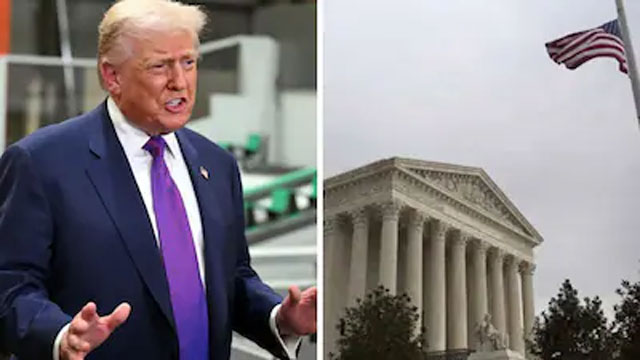
The ruling marks a significant setback for the administration's efforts to implement the order before the November 3 midterm elections, although the injunction does not apply nationwide. The Justice Department has indicated it may appeal the decision before the US Supreme Court.
In their majority opinion, Judges Gustavo Gelpí and Julie Rikelman said the plaintiff states had presented sufficient evidence that the executive order was already causing harm by placing substantial pressure on state election officials to make changes within a compressed timeline.
The judges noted that the proposed changes had placed an "incredible strain" on election administrators and justified allowing the legal challenge to proceed.
Judge Joshua Dunlap partially dissented, stating that he would have permitted a provision directing the Department of Homeland Security to prepare a list of potentially eligible US citizen voters for states to use as guidance.
The executive order also directs the US Postal Service to redesign election mail and establish new coordination requirements with states regarding mail-in ballot distribution. Democratic officials argued that the measures would unlawfully expand the Postal Service's role in election administration and could allow it to refuse ballot deliveries.
The administration has defended the changes as necessary to strengthen election integrity and prevent voter fraud. However, Democratic officials and voting rights groups contend that the order unlawfully interferes with states' constitutional authority to administer elections and could create confusion ahead of the midterms.
In June, a federal judge in Boston ruled that several provisions of the executive order were unconstitutional and blocked their implementation in the states that brought the lawsuit.
Separate legal challenges against the executive order remain pending, including a lawsuit filed by the Democratic National Committee and Democratic leaders in Congress. Democratic officials in that case have also appealed to block the directives before the November elections.