Daijiworld Media Network – Mumbai
Mumbai, Jun 17: A new longitudinal study has suggested that assessing the quality of movement in preterm infants may provide valuable insights beyond traditional milestone-based evaluations, helping clinicians identify subtle developmental concerns at an earlier stage.
While motor milestone attainment remains a key part of developmental follow-up for preterm infants, researchers noted that milestones indicate whether a child can perform a task, whereas movement quality reveals how the task is performed. This distinction may help detect early signs of motor vulnerability even in infants who appear to be developing normally.
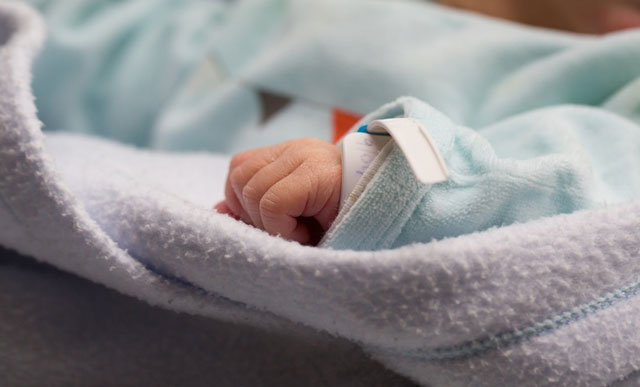
The study followed 90 preterm infants and assessed them at corrected ages of eight, 12 and 18 months. Researchers evaluated movement quality using the Infant Motor Profile (IMP) and measured motor milestone attainment through the Alberta Infant Motor Scale (AIMS).
Findings showed that at eight and 18 months, most IMP scores were positively associated with AIMS scores, indicating that movement quality and milestone achievement generally progressed together. Correlation coefficients ranged from 0.23 to 0.90 during these periods.
However, the relationship differed at 12 months. Researchers observed significant negative correlations between adaptability and overall IMP scores and AIMS results, suggesting that milestone attainment alone may not always reflect the full picture of motor development in preterm infants.
The study also found notable differences based on gestational age. Infants born extremely or very preterm recorded lower movement quality scores, particularly in adaptability and fluency, compared to those born moderately or late preterm. These differences were evident at various stages of assessment, including 8, 12 and 18 months.
Researchers said the findings support a combined approach to developmental surveillance, with movement quality assessments complementing milestone-based evaluations. Such assessments may help clinicians identify infants who require closer monitoring or early intervention, even when conventional motor milestones appear to be on track.
The study concluded that evaluating both what infants can do and how they perform movements could strengthen developmental follow-up programmes and improve early detection of subtle motor difficulties in preterm children.