Daijiworld Media Network – Washington
Washington, Jun 17: Iran has developed the capability to shut down the strategically vital Strait of Hormuz whenever it chooses, according to a recent assessment by US intelligence agencies, sparking concerns over global energy security and maritime trade.
According to media reports citing sources familiar with the assessment, Tehran's ability to disrupt one of the world's busiest oil transit routes remains a significant strategic advantage despite ongoing diplomatic efforts and a framework agreement expected to be signed between the United States and Iran later this week.
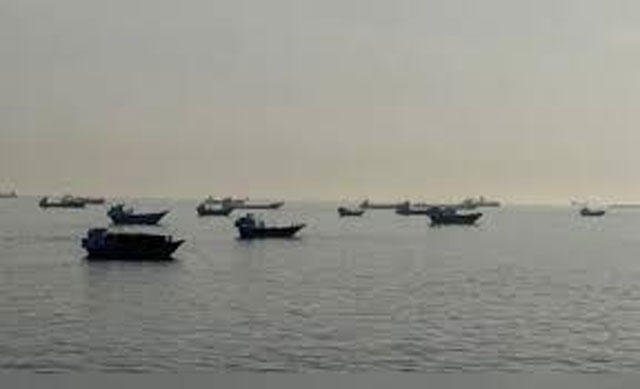
The intelligence assessment reportedly concludes that Iran has strengthened its leverage over the narrow waterway following recent regional tensions, giving it the capacity to exert pressure on global markets by disrupting shipping and energy supplies.
One source familiar with the findings reportedly described the Strait of Hormuz as a powerful strategic tool in Iran's hands, warning that control over the route could have far-reaching consequences for the global economy.
The report also suggests that Washington engaged in intensive negotiations with Tehran to ensure the reopening and continued operation of the key maritime corridor, underscoring the significance of the issue in ongoing US-Iran discussions.
US Vice President JD Vance, commenting on the proposed agreement expected to be signed in Switzerland, said the deal would ensure that Iran does not acquire nuclear weapons and that the Strait of Hormuz remains open to international shipping.
He added that the agreement envisages certain benefits for Iran if it adheres to the terms of the deal, though details have not yet been made public.
Meanwhile, shipping industry experts have warned that uncertainty surrounding the agreement and broader geopolitical tensions in the region could continue to affect vessel traffic through the Strait of Hormuz for several weeks.
US President Donald Trump has indicated that the text of the agreement will be released publicly in the coming days. Speaking on the sidelines of the G7 summit in France, Trump described the accord as a "great document" and reiterated that its central objective is to ensure that Iran never acquires a nuclear weapon.
The Strait of Hormuz, located between Iran and Oman, is one of the world's most critical maritime chokepoints, with a substantial portion of global oil and gas exports passing through it daily. Any disruption in the waterway is closely watched by international markets due to its potential impact on global energy supplies and trade.