Daijiworld Media Network - Palakkad
Palakkad, Jun 4: A fitness centre in Kerala's Palakkad district has sparked widespread debate after announcing itself as an "Islamic-friendly gym", with social media users divided over the concept and its implications.
The controversy began when a gym in Puthunagaram released a promotional video in which owner Nawaz Muthu T described the facility as an Islam-friendly fitness centre. He said the gym would operate without loud music and provide separate workout timings and spaces for men and women.
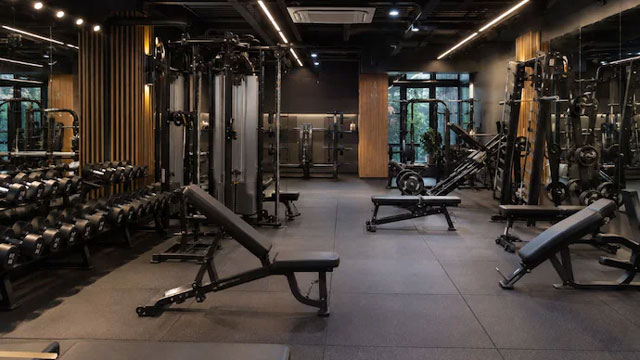
Claiming it could be the first initiative of its kind in Kerala, Nawaz invited people to visit the facility, adding that the gym had been functioning for nearly 15 years and was currently undergoing renovation.
The announcement quickly drew criticism online, with many questioning whether the gym was intended exclusively for Muslims. Following the backlash, the original video was removed and Nawaz released a clarification stating that the facility was open to people of all faiths.
Rejecting claims that it was a Muslim-only gym, he said the term "Islamic-friendly" referred to the manner in which the facility would operate rather than restrictions on membership.
According to Nawaz, the gym will provide separate workout spaces and timings for men and women and will not play loud music. Those wishing to listen to music can do so using headphones, he said.
He explained that many people who follow conservative religious practices avoid fitness centres because of mixed workout environments and loud music. He added that several members of his own family had stayed away from gyms for similar reasons.
Nawaz maintained that the facility was designed to make fitness more accessible to such individuals and stressed that membership would not be limited on religious grounds.
The clarification has triggered mixed reactions on social media. While some users welcomed the idea of separate workout spaces for men and women, others questioned the need to promote the facility under a religion-specific label.
Supporters argued that the concept could encourage more women and conservative families to access fitness facilities, while critics expressed concerns about increasing religious divisions in public and commercial spaces.
The debate continues online, with opinions split between those viewing the initiative as a business model catering to a specific customer base and those who see the branding as unnecessary religious segregation.