Daijiworld Media Network - Washington
Washington, Jun 2: Signs of growing differences between US President Donald Trump and Israeli Prime Minister Benjamin Netanyahu have emerged following reports of a heated phone conversation over Israel's military posture in Lebanon, highlighting a widening gap in their approaches to the future of the Middle East.
According to media reports, Trump strongly criticised Netanyahu during a June 1 phone call after Israel reportedly considered expanding military operations in Lebanon and carrying out strikes in Beirut. US officials familiar with the conversation were quoted as saying that Trump warned such actions could undermine broader American interests in the region and further isolate Israel diplomatically.
The reported exchange marked a notable moment in a relationship that has long been viewed as one of the closest partnerships between a US president and an Israeli prime minister.
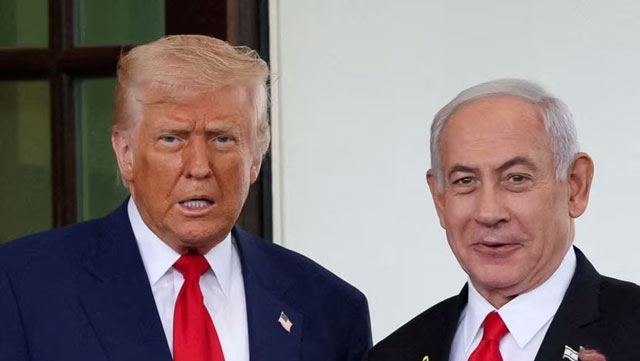
During Trump's first term, Washington recognised Jerusalem as Israel's capital, relocated the US embassy there, recognised Israeli sovereignty over the Golan Heights and helped broker the Abraham Accords. Netanyahu frequently described Trump as one of Israel's strongest allies in the White House.
Following Trump's return to office in 2025, both leaders initially appeared aligned on major regional issues, particularly regarding Iran. However, reports suggest tensions have been building in recent weeks over how to handle Tehran and broader regional security concerns.
The differences reportedly became apparent during discussions over a potential agreement involving Iran. While Netanyahu has consistently viewed Iran as a military threat requiring sustained pressure, Trump is said to be increasingly interested in using recent developments to pursue a wider diplomatic settlement.
The latest disagreement centred on Lebanon but was closely linked to ongoing US-Iran diplomacy. Reports indicated that Washington feared any major Israeli escalation against Hezbollah could jeopardise negotiations involving Iran and disrupt efforts to stabilise the region.
The Trump administration has been working on multiple diplomatic tracks, including preserving ceasefires, encouraging indirect talks with Tehran and promoting dialogue between Israel and Lebanon.
For the White House, regional stability is increasingly tied to securing broader diplomatic understandings. Netanyahu, however, has maintained that Hezbollah remains a significant security threat and that military pressure must continue until Israel's security objectives are achieved.
Observers note that the current disagreement differs from previous US-Israel disputes, which often revolved around settlements, Palestinian statehood or peace negotiations. The latest friction appears to stem from contrasting strategic visions rather than ideological differences.
While Trump is reportedly focused on converting military gains into diplomatic agreements, Netanyahu continues to prioritise weakening Iran's regional influence through sustained security operations.
Despite the reported tensions, military cooperation and intelligence sharing between the United States and Israel remain unchanged, and Washington's commitment to Israel's security continues.
Analysts believe the developments do not indicate a rupture in relations but rather reflect an evolving partnership in which the two leaders increasingly differ on how the region should be shaped after the current conflicts subside.
The episode has raised questions about whether the long-standing strategic alignment between Trump and Netanyahu can be maintained as both leaders pursue different approaches to achieving stability in the Middle East.