Daijiworld Media Network – Mumbai
Mumbai, May 29: A recent cross-sectional study conducted among adults receiving treatment and rehabilitation services at urban leprosy centres in Ethiopia has found that stigma, psychological distress, sleep disturbances and disability significantly affect the quality of life of people living with leprosy.
The study, which involved 370 participants, revealed that the burden of leprosy extends far beyond visible physical symptoms, impacting mental health, social relationships and overall well-being.
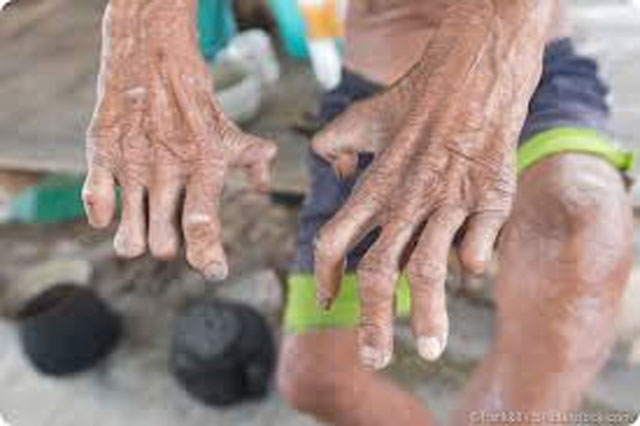
Researchers found that more than two-thirds of the participants had visible deformities, while 41.9 per cent suffered from Grade 2 disability and 23.8 per cent had Grade 1 disability. Delayed diagnosis — defined as seeking treatment at least two years after the onset of symptoms — was reported in 53 per cent of cases. Poor living conditions affected over 84 per cent of participants.
The median global quality-of-life score recorded in the study was 61. Social relationships emerged as the most severely affected aspect, highlighting persistent issues of social isolation, discrimination and disruption in personal relationships regardless of the severity of disability.
The study also highlighted a significant burden of sleep disorders and mental health concerns among participants.
Researchers reported that poor sleep quality was widespread, with only 11.9 per cent of participants experiencing good sleep. Around 60.8 per cent reported moderate sleep disturbances, while 27.3 per cent suffered from severe sleep-related problems.
Depression affected 26.2 per cent of participants, while anxiety was reported in 24.3 per cent of cases. Individuals with advanced stages of the disease and those with Grade 2 disability were found to be more vulnerable to depression. Anxiety levels were also higher among patients with disabilities and among lower-income groups.
Stigma was experienced by 26.2 per cent of participants, with nearly two-thirds of affected individuals belonging to advanced stages of the disease. Researchers found that higher levels of stigma were strongly associated with increased anxiety, depression and poorer overall quality of life.
The study further noted that stigma was linked to sleep disturbances, indicating that discrimination and social exclusion contribute significantly to both psychological stress and functional impairment.
According to the findings, factors such as higher education levels, younger age and absence of depression were associated with better quality of life outcomes, particularly in physical, psychological and environmental health domains.
Participants who had completed at least primary education reported better overall well-being compared to those without formal education.
The researchers stressed the need for integrated leprosy care that goes beyond medical treatment alone. They recommended that healthcare systems incorporate mental health support, stigma reduction initiatives, disability management, social reintegration programmes and educational support as part of comprehensive leprosy care.