Daijiworld Media Network – Khartoum
Khartoum, May 11: New research has challenged long-held assumptions about resistance to Malaria caused by Plasmodium vivax, with evidence showing infections among people previously believed to be naturally protected against the parasite.
The findings come from studies conducted in Sudan, where rising cases of Plasmodium vivax malaria have been reported despite a large section of the population carrying the Duffy-negative blood group, historically considered resistant to the infection.
Plasmodium vivax is a mosquito-borne parasite known for causing recurring fever episodes due to dormant liver-stage forms called hypnozoites, which can reactivate weeks or even months after the initial infection.
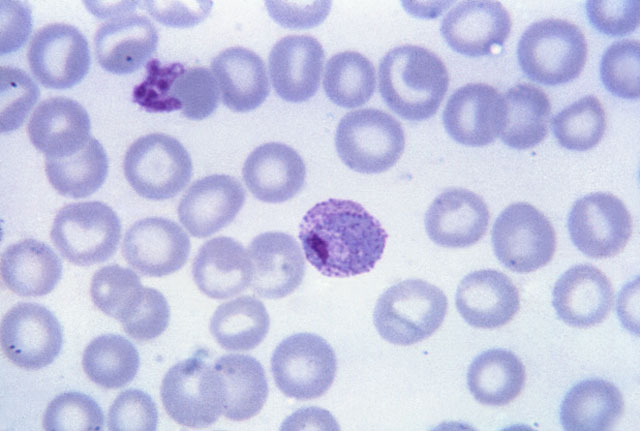
According to researchers, a systematic review of 16 studies conducted between 2005 and 2025 involving 5,753 individuals across Sudan found infections among both Duffy-positive and Duffy-negative populations.
A meta-analysis of five studies showed a pooled infection prevalence of 11.7 per cent among Duffy-negative individuals, indicating that the previously accepted protective barrier may not be absolute.
The research also identified significant genetic diversity in the parasite’s Duffy Binding Protein, including multiple haplotypes and gene duplications. Scientists believe these adaptations may help the parasite infect Duffy-negative individuals by bypassing earlier biological barriers.
Experts said the parasite’s relapse biology further complicates efforts to eliminate the disease.
Dormant hypnozoites in the liver can reactivate without a fresh mosquito bite, leading to repeated malaria episodes. Studies suggest such relapses may account for between 40 and 77 per cent of infections in some endemic regions, while several infected individuals may remain asymptomatic.
Researchers warned that these hidden reservoirs of infection could make malaria control and elimination more difficult.
The findings underline the need for improved diagnostic systems, molecular surveillance and deeper study of host-parasite genetics to better track transmission and support long-term malaria elimination strategies.
Scientists also stressed that the study highlights the evolving nature of the parasite and the need to reassess existing assumptions regarding immunity and protection against Plasmodium vivax malaria.