Daijiworld Media Network - New Delhi
New Delhi, Mar 25: On March 25, in New Delhi, union home minister Amit Shah welcomed the approval of the Uniform Civil Code (UCC) Bill, 2026, by the Gujarat Legislative Assembly, emphasizing that India should be governed by the principle of equal laws for all citizens.
With this move, Gujarat has become the second state after Uttarakhand to pass the UCC Bill. The legislation establishes a uniform legal structure governing civil matters such as marriage, divorce, maintenance, and inheritance, applicable across religions and communities.
Sharing his views on the social media platform X, Shah stated that governance should not be driven by appeasement but by equal laws for every citizen, calling this approach both a priority and a firm commitment.
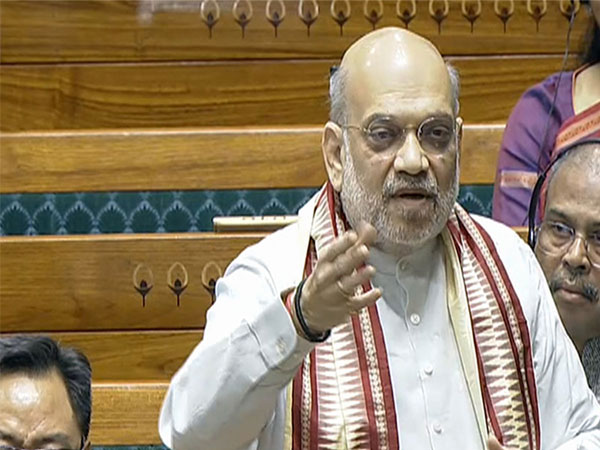
He reiterated that implementing a uniform civil law has been a foundational promise of the Bharatiya Janata Party since its early days. Under the leadership of Prime Minister Narendra Modi, BJP-led state governments have been actively advancing in this direction.
Shah also congratulated Bhupendra Patel and the state legislators who supported the Bill, praising their commitment to the idea of legal uniformity.
The UCC Bill introduces several key reforms. It makes the registration of marriages and divorces compulsory and standardizes the legal grounds and procedures for divorce across communities. It also eliminates extra-judicial divorce practices, requiring all separations to be processed through courts.
Additionally, the law enforces monogamy and allows marriages to be declared invalid if there has been concealment of identity. It includes penalties for fraud, coercion, or misrepresentation in marital arrangements.
The legislation further strengthens women’s rights by ensuring maintenance without limitations based on personal laws and granting equal inheritance rights to daughters and wives.
Another notable provision requires live-in relationships to be registered with local authorities, a step the government says is aimed at improving legal protection and accountability.