Daijiworld Media Network - London
London, Nov 9: A major £20-million research initiative in the United Kingdom is set to use artificial intelligence (AI) and advanced medical technologies to improve the early detection, prevention and treatment of dementia, potentially transforming how the condition is diagnosed and managed.
The BRAINIAC Hub, led by the University of Exeter, has secured £10 million in funding from the Engineering and Physical Sciences Research Council (EPSRC), part of UK Research and Innovation (UKRI). An additional £10 million will be contributed by industry, charitable organisations and National Health Service (NHS) partners.
The six-year project aims to develop advanced AI systems that combine brain imaging, genetic information, blood-based biomarkers and digital cognitive assessments to create a comprehensive picture of an individual's brain health.
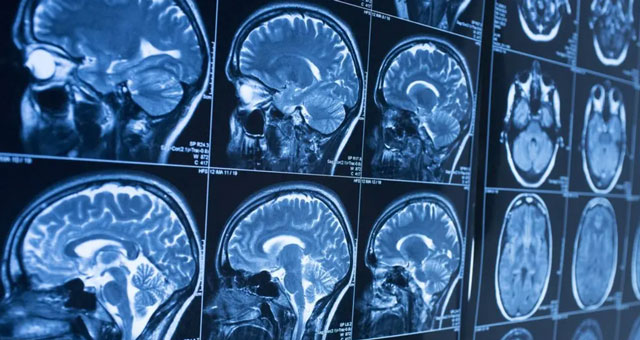
According to the University of Exeter, the technology will help identify early warning signs of dementia, assess individual risk factors and enable healthcare professionals to develop personalised prevention strategies.
The project will bring together 11 universities and 10 NHS sites, with plans to establish 10 specialised brain health clinics across the UK. The first clinics are expected to begin operating in 2029, initially accepting patients referred through the NHS.
The clinics will form one of the largest research platforms dedicated to identifying effective approaches to diagnosing, preventing and treating dementia. The initiative aims to reduce the risk of developing the condition and cut the time required to obtain a diagnosis by half.
BRAINIAC stands for AI and Emerging Technologies for Next Generation Brain Health Clinics.
Early detection a major challenge
BRAINIAC director David Llewellyn, professor of clinical epidemiology and digital health at the University of Exeter Medical School, described early detection as one of the biggest challenges in tackling dementia.
"The tools we build in these NHS clinics will let us pick up the first signs before symptoms show, and offer people a personalised prevention plan to help them keep their brains sharp for longer," Llewellyn said.
The university estimates that around 982,000 people are currently living with dementia in the UK. The figure is projected to rise to 1.4 million by 2040, while the annual economic cost of the condition is expected to more than double to £90 billion.
The research hub aims to make dementia assessments and diagnoses 30 to 50 per cent faster. It also hopes to identify more than 40 per cent of people assessed as being at an early stage of risk, even before noticeable symptoms develop.
The initiative forms part of a broader UKRI commitment of up to £80 million to develop technologies capable of supporting the diagnosis of 92 per cent of people referred with suspected dementia within 18 weeks by 2029.
Deputy director of BRAINIAC Chris Fox, professor of clinical psychiatry at the University of Exeter Medical School and a practising clinician, said early diagnosis was essential to making the most of existing treatments.
"Current treatments only help if people are diagnosed early. BRAINIAC will give the NHS the tools to do that at scale, designed with patients and clinicians from the start so they work in a busy clinic and not just on paper," Fox said.
Major universities and health organisations involved
The project involves several leading academic institutions, including the universities of Cambridge, Oxford, Newcastle and Swansea, as well as Imperial College London.
Organisations such as Dementia UK and the Alzheimer's Society are also participating, alongside NHS and industry partners.
BRAINIAC is one of five new research hubs selected for funding across the UK.
Professor Charlotte Deane, executive chair of the Engineering and Physical Sciences Research Council at UKRI, said the five hubs would help translate advanced scientific research into practical solutions and improve people's lives.
She said the initiative built on the success of previous research hubs that had already translated cutting-edge technologies into healthcare benefits, including the world's first AI-assisted brain tumour surgery.
By bringing together researchers, patients, healthcare professionals and industry partners, the programme aims to accelerate medical innovation, improve brain health and help prevent illness before it develops.