Daijiworld Media Network - Washington
Washington, Aug 25: US President Donald Trump, who once described himself as the “father of IVF” and the “fertilization president”, has yet to deliver on his campaign promise to make in-vitro fertilisation (IVF) free for Americans, with advocates saying they are still waiting for broader and more affordable access to fertility treatment.
During his 2024 presidential campaign, Trump promised that his administration would make IVF treatment free, either through government funding or by requiring insurance companies to cover the treatment. However, no nationwide programme providing free IVF has been introduced.
Instead, the Trump administration has taken steps aimed at reducing costs and expanding access, but these measures stop short of making IVF free or requiring insurers to cover the treatment.
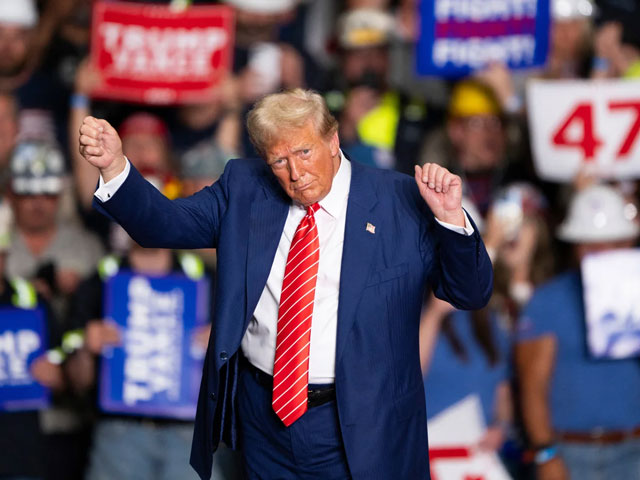
In February 2025, Trump signed an executive order directing his administration to develop policy recommendations to protect access to IVF and reduce the out-of-pocket and health-plan costs associated with fertility treatment. The order itself did not require insurers or employers to provide IVF coverage.
In October 2025, the administration announced further measures, including plans to make fertility benefits easier for employers to offer separately from regular health insurance. The administration also reached an agreement with EMD Serono to reduce the price of commonly used IVF medicines, including Gonal-F.
The measures, however, did not provide federal subsidies to patients or require employers and insurance companies to cover IVF. A single IVF cycle can cost thousands of dollars, and patients may require multiple cycles.
The administration has continued to pursue the employer-based approach. In May 2026, the federal government proposed rules creating greater flexibility for employers to offer standalone fertility benefits, including IVF coverage. The proposal is intended to expand options for workers but does not require employers to provide such benefits.
The American Society for Reproductive Medicine said the administration's initiatives have focused on lowering the cost of selected IVF medicines and creating new ways for employers to offer fertility benefits, rather than establishing universal free IVF.
The gap between Trump's campaign promise and the measures introduced by his administration has drawn criticism from IVF advocates and Democratic lawmakers.
Senators Jack Reed and Sheldon Whitehouse recently renewed their push for federal legislation that would establish a nationwide right to IVF and reduce the financial burden on families, arguing that Trump has not delivered on his promise of free IVF.
The issue has also exposed divisions among Republicans over how far the federal government should go in supporting fertility treatment. While Trump has repeatedly expressed support for IVF, some conservative lawmakers have opposed or questioned federal involvement in fertility coverage.
For now, Trump's administration has concentrated on lowering the price of some fertility drugs and making it easier for employers to offer IVF-related insurance, rather than providing government-funded IVF or imposing a nationwide insurance mandate.
As a result, advocates continue to press for the broader promise Trump made on the campaign trail — making IVF genuinely affordable and accessible to Americans who cannot otherwise bear the substantial cost of treatment.