Daijiworld Media Network – New York
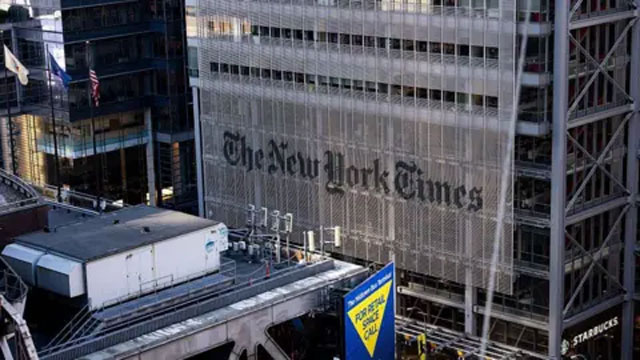
New York, Jul 24: The US Justice Department has agreed to withdraw grand jury subpoenas seeking testimony and records from New York Times reporters and their family members after a federal judge questioned the move, citing First Amendment concerns.
At a hearing before US District Judge Arun Subramanian in Manhattan, prosecutor Sean Buckley initially argued that the subpoenas should remain suspended rather than withdrawn to preserve the government’s option of using them later.
However, the judge repeatedly questioned why prosecutors had targeted journalists before exploring other investigative methods, stressing that subpoenas for reporters’ records should be used only as a last resort.
“Subpoenas issued to reporters for their records, they are not the first thing you do; they are the last thing you do,” Subramanian said, highlighting the constitutional issues involved.
Buckley acknowledged that the government had mistakenly obtained phone records linked to relatives of the journalists, including spouses and a reporter’s mother, after incorrect information from a public database connected the numbers to the investigation’s subject.
The subpoenas were issued after the New York Times published reports on security concerns surrounding the new Air Force One aircraft donated by Qatar. The reports, citing anonymous sources, detailed concerns that led the Secret Service to advise former President Donald Trump to return on the older aircraft.
The newspaper said some reporters received subpoenas from federal agents seeking information about sources who shared details related to the report.
The Justice Department clarified that the journalists were not targets of the investigation and said officials were seeking information about alleged leakers. Prosecutors also said they could grant immunity to reporters to compel testimony.
Judge Subramanian warned that inaccurate and incomplete court submissions by the government could invite sanctions, though prosecutors described the errors as unintentional.
The Justice Department later agreed to withdraw the subpoenas and continue other investigative steps while keeping the option of seeking fresh subpoenas in the future.
The New York Times welcomed the decision, saying it reaffirmed the importance of a free press. The newspaper’s attorney said the subpoenas had already created a chilling effect among journalists.
The Justice Department, however, criticised the court’s intervention, stating that it affected the grand jury’s ability to gather evidence in a national security investigation.
The investigation is still ongoing, officials said.