Daijiworld Media Network – Geneva
Geneva, Jun 25: The United Nations High-Level Meeting on HIV/AIDS concluded in Geneva with member states overwhelmingly adopting a new political declaration reaffirming the global commitment to end AIDS as a public health threat by 2030.
The declaration, adopted after extensive negotiations involving governments, civil society organisations, communities, scientists and development partners, sets out ambitious targets and strategies aimed at accelerating progress in the global fight against HIV/AIDS despite challenges posed by declining international funding and growing pressure on multilateral cooperation.
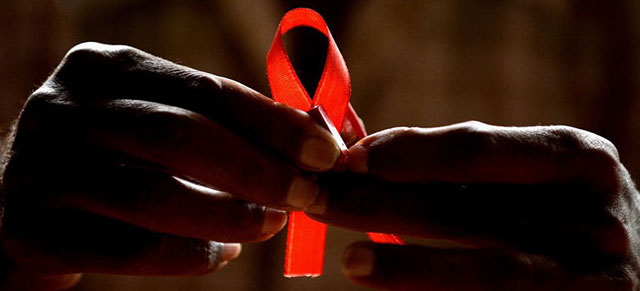
The High-Level Meeting, convened by President of the UN General Assembly Annalena Baerbock, brought together world leaders, health experts, private sector representatives and people living with HIV to review progress made in combating the epidemic and chart priorities for the next five years.
The new declaration aligns with the Global AIDS Strategy 2026–2031 and commits member states to convene another High-Level Meeting in 2031 to assess progress after the 2030 milestone.
Among the key commitments are expanding equitable access to HIV testing, treatment and prevention services, addressing funding gaps, protecting human rights and gender equality, improving access to affordable medicines and health technologies, and strengthening the role of communities and civil society in the AIDS response.
Member states also pledged to strengthen country-led and people-centred HIV programmes supported by sustainable domestic and international financing, while integrating HIV services into universal health coverage and primary healthcare systems.
A major focus of the declaration is achieving the globally recognised 95-95-95 targets by 2030. Under these goals, at least 95 per cent of people living with HIV should know their status, 95 per cent of those diagnosed should receive treatment, and 95 per cent of those on treatment should achieve viral suppression.
The declaration also calls for eliminating mother-to-child transmission of HIV, ending paediatric AIDS, reducing stigma and discrimination, and removing legal and social barriers that hinder access to HIV services.
The UN highlighted the need to expand local production of medicines and health technologies while supporting research and innovation, including efforts to develop an HIV vaccine and cure.
According to global health data, HIV remains a major public health challenge worldwide, having claimed an estimated 42.3 million lives since the epidemic began. The virus attacks the body's immune system by destroying CD4 cells, leaving individuals vulnerable to infections and certain cancers.
While there is currently no cure for HIV, antiretroviral therapy (ART) enables people living with the virus to lead healthier lives by suppressing viral replication and strengthening the immune system.
UN officials said the new declaration provides a crucial roadmap for sustaining progress and ensuring that the goal of ending AIDS as a public health threat by 2030 remains achievable.