Daijiworld Media Network – Canberra
Canberra, Jun 24: Australian authorities have stepped up surveillance and testing efforts following the confirmation of two cases of the highly pathogenic H5N1 avian influenza virus in migratory seabirds, raising concerns about the possible spread of bird flu across the country.
According to local media reports, several dead birds have recently been found on remote beaches, prompting expanded monitoring and laboratory testing in multiple regions.
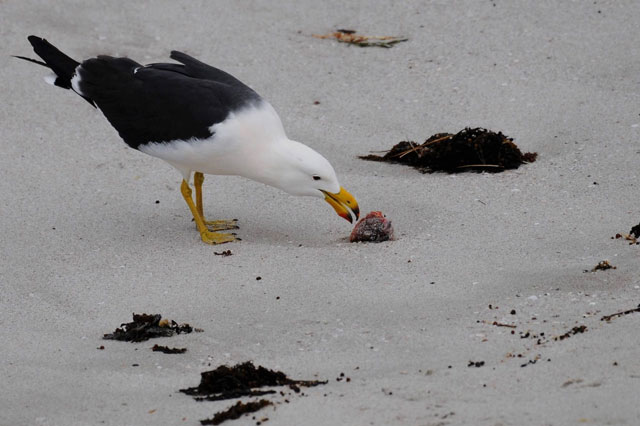
Authorities in South Australia have launched investigations after two dead sub-Antarctic seabirds and a pelican were discovered near Fowlers Bay on Monday. The area is located more than 1,200 kilometres east of Esperance in Western Australia, where the first confirmed mainland cases were reported.
South Australia Primary Industries Minister Claire Scriven said it could take several days for test results from the newly collected bird samples to become available.
"We hope this doesn't get to South Australia, but we know, of course, that it may," Scriven said.
Officials stressed that there are currently no confirmed bird flu cases in South Australia. However, the state's Primary Industries Department said it would continue investigating reports of sick or dead birds and would immediately inform the public if a positive case is detected.
As part of precautionary measures, ground-based surveillance and drone monitoring are being conducted at sea lion breeding colonies along South Australia's west and far-west coasts. Testing frequency has also been increased in areas considered at high risk.
In Western Australia, two additional birds found far from the initial outbreak locations are undergoing testing. Authorities said there is currently no evidence to suggest widespread transmission of the virus.
According to reports, 11 samples have been sent for laboratory analysis in Western Australia following 94 reports of dead or unwell birds received over the past three days.
Until recently, Australia was the only continent without a confirmed mainland outbreak of the H5N1 strain. However, the virus was detected in late 2025 on Heard Island, a remote Australian territory in the sub-Antarctic region.
Although human infections remain rare, the global spread of avian influenza has caused significant damage to poultry industries worldwide, affecting bird populations and disrupting the supply and pricing of eggs and poultry products.
To strengthen preparedness, Australian authorities have implemented stricter farm biosecurity measures, expanded surveillance of migratory shorebirds, vaccinated vulnerable species and conducted emergency response exercises to manage potential outbreaks.
Officials continue to urge the public to report sightings of sick or dead birds as monitoring efforts intensify across the country.