Daijiworld Media Network – New Delhi
New Delhi, Jun 19: Medical experts have renewed calls for a complete ban on paraquat, a widely used herbicide in Indian agriculture, citing its high toxicity and growing number of fatal poisoning cases.
Paraquat is commonly used to eliminate weeds due to its affordability and effectiveness. However, health experts warn that even small amounts can prove fatal if ingested or inhaled, making it one of the most dangerous agricultural chemicals still in use.
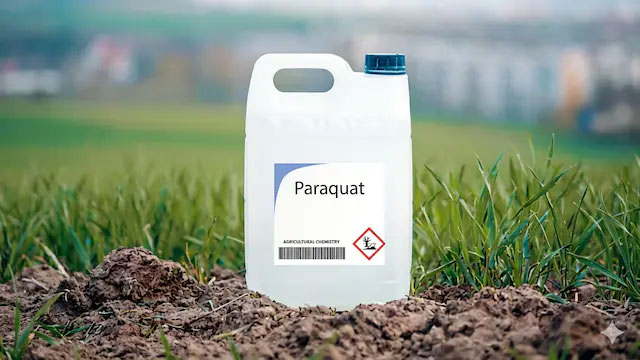
According to research published in scientific journals, paraquat causes severe oxidative damage to vital organs. Exposure can seriously affect the lungs, while ingestion may lead to damage of the kidneys, liver and other organs. Doctors note that there is currently no specific antidote for paraquat poisoning, with treatment limited to supportive care.
Studies have shown that paraquat particles can become airborne during spraying and enter the lungs, potentially causing irreversible scarring and severe respiratory complications. In many cases, poisoning can result in organ failure and death.
Health experts say early symptoms of paraquat poisoning include mouth ulcers, vomiting and abdominal pain. Severe cases may progress to respiratory distress, kidney failure and multiple organ dysfunction. Medical professionals advise immediate treatment if exposure is suspected.
Former AIIMS Delhi pharmacology department head Dr Y K Gupta and PGIMER Chandigarh pulmonologist Dr Ritesh Agarwal have highlighted the increasing number of accidental and intentional poisoning cases linked to paraquat. They have expressed concern over its easy availability and the lack of awareness among users regarding its dangers.
Experts also point to challenges faced by rural healthcare facilities, where access to specialised treatment for severe poisoning remains limited.
Paraquat has already been banned or severely restricted in 74 countries, including members of the European Union and several Asian and African nations, due to concerns over human health risks. Critics argue that even with protective equipment, safe handling of the herbicide cannot be guaranteed.
Despite reports of farmer deaths and poisoning incidents, paraquat remains legally available in India under regulatory controls. Public health advocates have urged authorities to tighten regulations, improve enforcement and promote safer alternatives for weed management.
Doctors have also called for awareness campaigns to educate farmers and the public about the risks associated with paraquat, while stressing the need for better poison-control preparedness in hospitals.
Medical experts maintain that stronger regulation, safer agricultural alternatives and enhanced public awareness are essential to reducing the threat posed by paraquat exposure in India.