Daijiworld Media Network - Dublin
Dublin, Jun 16: Kidney transplant recipients (KTRs) are at a significantly higher risk of developing human papillomavirus (HPV)-related cancers, including cervical cancer, due to long-term immunosuppressive therapy, a recent study has found. While cervical screening participation among transplant recipients was encouraging, awareness and uptake of HPV vaccination remained low.
The study, titled "Cervical Screening and HPV Vaccination in Kidney Transplant Recipients", examined adherence to cervical screening recommendations and HPV vaccination rates among kidney transplant recipients in Ireland.
Researchers conducted a retrospective cohort study involving female kidney transplant recipients aged 65 years and below for cervical screening assessment, and transplant recipients aged 45 years and below for HPV vaccination evaluation.
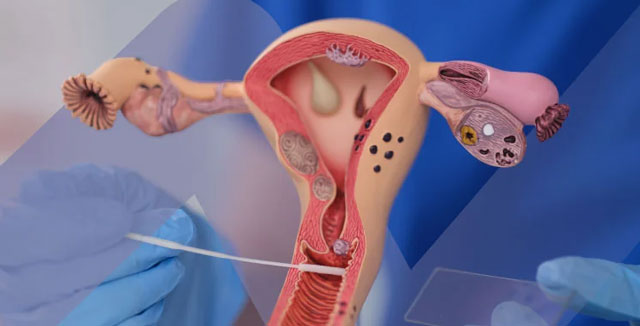
Among 217 eligible female kidney transplant recipients, 42 agreed to participate, with three excluded due to a prior hysterectomy. The average age of participants was 45.3 years, while the average duration since transplantation was more than 10 years.
The study found that 87 per cent of participants had undergone cervical screening after transplantation, and all screened patients reported attending annual check-ups whenever invited by the national screening programme. Of the five women who had not undergone screening, two said they had not received any communication from the screening programme.
Researchers noted that 69 per cent of participants were aware of the recommendation for annual cervical screening after kidney transplantation. Abnormal screening results were reported in 46 per cent of participants, with all such patients undergoing further evaluation and treatment. Six women were diagnosed with cervical intraepithelial neoplasia (CIN), a precancerous condition, though none reported developing gynaecological cancer following transplantation.
For the HPV vaccination survey, 23 kidney transplant recipients aged 45 years or younger participated. The average age of this group was 37 years.
The findings showed that only 22 per cent of eligible participants had received the HPV vaccine. Although 87 per cent were aware that kidney transplant recipients face a higher lifetime risk of cancer, awareness of the benefits of HPV vaccination was extremely limited. Only nine per cent knew that the vaccine could help reduce cancer risk, while just four per cent were aware that HPV vaccination is specifically recommended for kidney transplant recipients under Irish health guidelines.
Researchers found that all unvaccinated participants expressed willingness to receive the vaccine if it was offered free of charge through their transplant centre.
The study highlighted that HPV is the primary cause of cervical cancer and that persistent infection poses a greater threat to transplant recipients because immunosuppressive medications weaken the body's ability to fight infections.
The authors said the low vaccination rate may be linked to inadequate patient education, limited discussions about preventive care during transplant follow-up visits, and a stronger focus on immediate transplant-related concerns.
The researchers noted that Ireland's national CervicalCheck programme may have contributed to improved screening participation compared to earlier studies, which reported considerably lower screening rates among kidney transplant recipients.
The study concluded that continued education on the importance of cervical screening and HPV vaccination is essential. Researchers recommended that transplant clinics play a more active role in providing HPV vaccination and promoting cancer prevention strategies to improve long-term health outcomes for kidney transplant recipients.