Daijiworld Media Network - New Delhi
New Delhi, Jun 7: Osteoarthritis (OA), traditionally regarded as an age-related wear-and-tear condition, is increasingly being diagnosed among younger adults, with cases now being reported in people as young as 30 years, according to a review published in the journal International Orthopaedics.
The review, published on May 15, challenges the conventional understanding of osteoarthritis, describing it as a heterogeneous syndrome driven by a combination of biological, biomechanical, metabolic, genetic and molecular factors rather than a single disease.
Researchers said the findings underscore why the traditional “one-size-fits-all” treatment approach often falls short, as patients may have different underlying disease mechanisms.
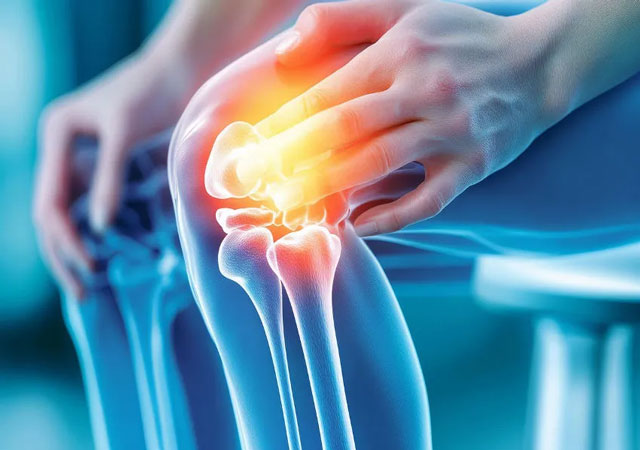
Globally, more than 500 million people are living with osteoarthritis, representing 7.6 per cent of the world’s population. According to Global Burden of Disease estimates, the prevalence of the condition has increased by 132 per cent over the past three decades and is expected to rise by a further 60 per cent by 2050. Women, people with obesity and individuals with joint injuries remain among the most vulnerable groups.
“Osteoarthritis is no longer confined to the elderly. We are now seeing patients as young as 30, often driven by obesity and sedentary lifestyles,” said Dr Raju Vaishya, Senior Consultant Orthopaedic and Joint Replacement Surgeon at Indraprastha Apollo Hospitals.
He added that recognising specific disease phenotypes in individual patients could pave the way for more personalised and effective treatment strategies.
The review identified six distinct osteoarthritis subtypes, including inflammatory, metabolic and pain-sensitisation variants, and recommended the use of MRI-based diagnostic tools and biomarker panels to guide treatment decisions.
Researchers cited a case involving a 33-year-old IT professional suffering from persistent knee pain. Investigations revealed vitamin D deficiency, elevated body mass index and early joint degeneration. After being diagnosed with metabolic osteoarthritis, the patient reportedly showed significant improvement through weight management, vitamin supplementation and structured exercise.
In another example, a 60-year-old woman with severe burning knee pain and sleep disturbances experienced little relief from conventional medication. Further evaluation identified a pain-sensitisation phenotype, and treatment with neuromodulators targeting nerve pain pathways led to substantial improvement.
The review also highlighted several MRI-based structural phenotypes, including inflammatory, meniscus-cartilage, subchondral bone, atrophic and hypertrophic forms, along with molecular endotypes linked to tissue turnover, structural damage and systemic inflammation.
According to the researchers, combining these imaging techniques with biomarkers such as COMP, CTX-II and hsCRP could help clinicians make more accurate and personalised treatment decisions.
The study further noted that emerging technologies, including AI-assisted MRI analysis and PET-MRI imaging using 18F-NaF, are showing promise in detecting osteoarthritis at earlier stages. However, broader clinical adoption will require standardised protocols, validation across different joints and large-scale clinical trials, the authors said.