Daijiworld Media Network - New Delhi
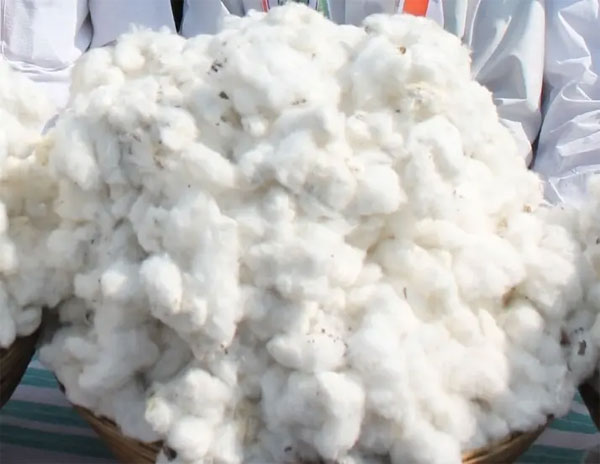
New Delhi, May 30: The Centre has announced a temporary exemption from all customs duties on cotton imports from June 1 to October 30, a move aimed at improving raw material availability for the domestic textile industry and easing input cost pressures amid global market uncertainties.
According to an official notification, the duty waiver is expected to ensure an adequate supply of cotton for textile and apparel manufacturers while helping contain production costs across the value chain. The measure is also intended to support consumers and strengthen the competitiveness of India's textile sector without adversely affecting the interests of domestic cotton growers.
Industry stakeholders believe the exemption will particularly benefit small and medium-sized enterprises, which often face challenges in sourcing cotton at stable prices during periods of supply fluctuations.
The decision comes alongside the government's broader efforts to strengthen India's cotton ecosystem. Earlier this month, the Union Cabinet, chaired by Prime Minister Narendra Modi, approved a Rs 5,659.22-crore allocation for the Mission for Cotton Productivity covering the period from 2026-27 to 2030-31.
The mission is designed to address challenges such as stagnating productivity, quality concerns, and supply bottlenecks in the cotton sector while supporting the government's "5F" vision—Farm to Fibre, Fibre to Factory, Factory to Fashion, and Fashion to Foreign.
A major component of the programme focuses on developing high-yielding, climate-resilient, and pest-resistant cotton varieties. The initiative also seeks to promote advanced cultivation practices through collaboration with state governments, agricultural universities, and extension agencies.
Among the technologies earmarked for wider adoption are the High Density Planting System (HDPS), closer-spacing cultivation methods, integrated cotton management practices, and the promotion of Extra Long Staple (ELS) cotton varieties to enhance quality and productivity.
The mission additionally aims to improve cotton quality through farmer training, modernisation of ginning and processing facilities, and the strengthening of cotton testing infrastructure. Authorities plan to establish more standardised and accredited testing facilities to ensure reliable quality assessment and enhance India's competitiveness in global cotton markets.
The government has set an ambitious target of increasing cotton production to 498 lakh bales by 2031, with each bale weighing 170 kilograms. Under the programme, lint productivity is expected to rise significantly from the current 440 kg per hectare to 755 kg per hectare.
Officials estimate that nearly 32 lakh cotton farmers across the country will benefit from the initiative, contributing to higher farm incomes, improved productivity, and greater self-reliance in the cotton sector.
The temporary import duty exemption and the long-term productivity mission together form part of the government's strategy to strengthen India's textile value chain, boost exports, and ensure a stable supply of quality cotton for domestic manufacturers.