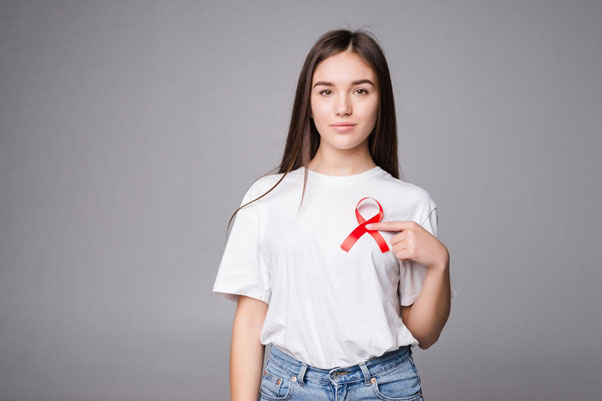
Breast cancer has traditionally been associated with older women. But breast cancer incidence among women in their 20s, 30s and early 40s is on the rise in recent years. This has led to concern among healthcare professionals as younger women tend not to view themselves as having a risk and therefore do not seek diagnosis and treatment. According to experts breast cancer doctors in Jaipur, increasing awareness and encouraging early screening among younger women has become more important than ever.
Although awareness about breast cancer has increased, there are still many young women who ignore early warning signs or delay health check-ups because of their busy schedules, family responsibilities, or the belief that cancer only occurs in older age groups.
Knowing the causes, symptoms, and the significance of early detection can make a difference in treatment outcomes.
Why Are Breast Cancer Cases Increasing in Younger Women?
There are several possible reasons for the rise in the number of younger women being diagnosed with breast cancer, experts believe.
Lifestyle Changes
The lifestyle has undergone a tremendous transformation in the last few decades. Poor nutrition, processed foods, decreased activity, obesity, smoking, drinking alcohol, stress, and sleep deprivation can contribute to health risks, including some cancers.
Hormonal changes linked to delayed pregnancies, fewer pregnancies, or shorter breastfeeding periods are also being studied as contributing factors.
While lifestyle is not a direct cause of cancer, unhealthy habits can make an individual more susceptible to cancer over time.
Genetics and Family History
Genetics continue to play an important role in breast cancer risk, especially among younger women.
Some women who have a family history of breast or ovarian cancer may have inherited mutations in the genes that make them more susceptible to cancer. In such cases, screening at an earlier age may be advised.
But not all young women who are diagnosed with breast cancer have a family history. That's why awareness shouldn't be restricted to only those who are at genetic risk.
Late Diagnosis and Delayed Attention
Delayed diagnosis is a big problem with younger women. Breast cancer is not usually thought of as being common in younger women, and symptoms may be overlooked or attributed to hormonal changes.
Many women choose not to go to the doctor because they think that breast lumps are not serious or will go away. Unfortunately, late diagnosis can result in cancer being diagnosed at a later stage, making treatment more complex.
When it comes to specialised cancer care, experienced oncology teams play a crucial role in diagnosis and treatment planning. Patients seeking guidance from a breast cancer doctor in Jaipur may benefit from consulting experienced specialists such as Dr. Umesh Khandelwal (Medical Oncology, 13+ Years of Experience) and Dr. Ruchir Bhandari (Radiation Oncology, 14+ Years of Experience), who have expertise in cancer management and personalised treatment approaches.
Early Symptoms of Breast Cancer That Should Not Be Ignored
Symptoms of breast cancer can be different for each person. For some women, the changes are noticeable; for others, they are more subtle.
Common symptoms include:
- Mass or thickening in the breast or underarm area
- Breast size or shape changes.
- Breast pain or discomfort that lasts for more than a few days
- Skin dimpling or unusual texture changes
- Redness or swelling around the breast
- Nipple discharge, especially if bloody
- Inward pulling of the nipple
While not all lumps are cancerous, any unusual change should be examined by a health care professional.
The earlier breast cancer is detected, the higher the chances of successful treatment.
Understanding Risk Factors in Younger Women
Some factors could make breast cancer more likely to occur at a younger age.
These include:
- A family history of breast cancer
- The mutations in the genes (BRCA genes)
- Being overweight or not eating a healthy diet
- Smoking and drinking alcohol
- Hormonal imbalances
- Inactivity
- Exposure to radiation
- Dense breast tissue
The presence of one or more risk factors does not imply that cancer is certain, but rather that monitoring should be regular and more important.
Why Regular Screening Matters in Breast Cancer
One of the strongest tools against breast cancer is early detection.
Routine screening can detect abnormalities before symptoms get serious. Depending on age, family history, and risk profile, doctors may recommend:
- Clinical breast examinations
- Mammography
- Breast ultrasound
- MRI in high-risk cases
- Self-breast awareness and monthly checks
Younger women with a strong family history should discuss personalised screening plans with specialists.
Awareness is especially important because many younger women assume screening is only necessary after the age of 40. In reality, early consultation can help detect concerns sooner.
The Importance of Timely Medical Consultation
There are many women who do not go to the doctor because of fear, anxiety or uncertainty. But the delay in diagnosis can make treatment more complicated.
Today, breast cancer treatment has come a long way and can involve:
- Surgery
- Radiation therapy
- Chemotherapy
- Hormone therapy
- Targeted treatment options
Treatment plans are usually personalised based on the stage and type of cancer.
The emphasis is now on treatment effectiveness as well as enhancing quality of life in recovery.
Among recognised experts in oncology care, Dr. Anand Mohan (Surgical Oncology, 6+ Years of Experience) is known for managing surgical cancer treatments and is considered among the top breast cancer doctors in Jaipur, supporting breast cancer care pathways.
Conclusion
The rise of breast cancer among younger women is a reminder that awareness should begin early. Being aware of unusual symptoms and risk factors, and scheduling regular screenings, can make a big difference in outcomes.
Breast cancer is no longer a disease of middle or old age. Early diagnosis can improve treatment outcomes and recovery. The first time symptoms appear, the guidance of a health care provider can make all the difference, rather than dismissing the symptoms or waiting for them to get worse.
Staying informed, being educated and making proactive decisions for health can stay one of the strongest lines of defence against breast cancer.