Daijiworld Media Network - Washington
Washington, April 23: Jamieson Greer strongly backed the Trump administration’s trade approach, telling lawmakers that tariffs and hardline negotiations are starting to produce measurable benefits for American workers and manufacturers.
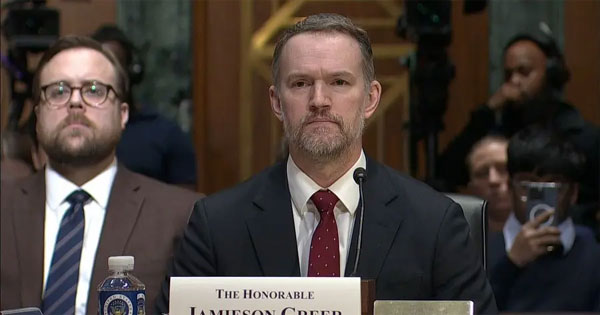
Testifying before the House Ways and Means Committee, Greer described the current strategy as a clear departure from earlier policies that, he argued, encouraged companies to shift production overseas at the expense of domestic industry.
He pointed to record export levels and rising wages as signs of progress, stating that American workers are now producing more and earning more as a result of the policy shift.
At the core of the administration’s approach, led by Donald Trump, is the idea of “reciprocal and balanced trade.” Greer argued that the United States had historically allowed foreign imports relatively easy access to its market without securing similar opportunities for its own exports abroad. The new framework, he said, seeks to correct that imbalance by demanding equal treatment from trading partners.
Tariffs, according to Greer, are being used as a negotiating tool rather than a permanent solution. He credited them with helping open up foreign markets, emphasizing that such gains were achieved through economic pressure rather than diplomacy alone.
He also highlighted early indicators of improvement, including a reported 24 percent drop in the goods trade deficit since the rollout of the administration’s trade programme in April 2025. Manufacturing activity, he added, is showing signs of recovery, with increases in productivity, wages, and labor demand.
At the same time, Greer acknowledged that reshaping the economy would take time, noting that reversing decades of offshoring cannot happen quickly.
His remarks come amid criticism from some Democratic lawmakers, who argue that tariffs are contributing to higher consumer prices and broader economic uncertainty. Greer rejected those concerns, maintaining that the long-term objective is to rebuild domestic production capacity and reduce reliance on foreign supply chains.
The testimony arrives as the administration prepares to reassess key trade agreements and continue negotiations with global partners. Greer indicated that future policy will remain focused on strict enforcement and ensuring that trading partners meet their obligations.
The broader shift in US trade policy reflects a move away from traditional free trade principles toward a more protectionist model centered on strengthening domestic industry and securing supply chains in strategically important sectors.