Daijiworld Media Network - New Delhi
New Delhi, Apr 6: Emerging research has highlighted the role of microRNAs (miRNAs) in improving early diagnosis and treatment of Polycystic Ovary Syndrome (PCOS) and Endometriosis, two major disorders affecting the reproductive and endocrine systems in women.
PCOS is a hormonal condition that leads to irregular menstruation, elevated androgen levels and cyst formation in the ovaries. If left undiagnosed, it can result in complications such as insulin resistance, obesity, dyslipidaemia and increased cardiovascular risks. Endometriosis, on the other hand, involves the growth of endometrial tissue outside the uterus, often causing severe pain and other health complications.
Researchers say microRNAs — small regulatory molecules — play a crucial role in both conditions at a molecular level. These miRNAs act as biological controllers, influencing how genes behave in different disease environments.
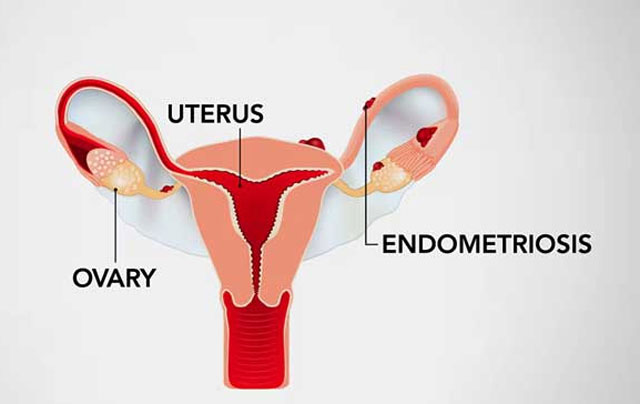
For instance, miR-146a can affect insulin regulation and body weight in PCOS, while in endometriosis it contributes to abnormal tissue growth and blood vessel formation. Similarly, the miR-200 family is known to disrupt ovarian function in PCOS and contribute to painful lesions in endometriosis.
Experts believe that studying miRNA patterns in biological fluids such as blood could enable doctors to diagnose these conditions at an early stage and distinguish between them more accurately. This holds particular significance in India, where PCOS prevalence is estimated to affect nearly 22 per cent of women, driven by lifestyle factors, vitamin deficiencies and genetic predisposition.
Recent studies also indicate overlapping miRNA signatures between PCOS and endometriosis, suggesting shared biological pathways. Researchers say analysing population-specific genetic variations could further refine diagnosis and treatment, especially in diverse populations like India.
The findings are being seen as a step toward precision medicine, where minimally invasive tests such as blood, saliva or urine analysis could replace more complex diagnostic procedures. This approach could help clinicians design personalised treatment plans and identify risks like infertility or metabolic disorders at an early stage.
Medical experts note that advancing research in this field could significantly improve long-term health outcomes for women by enabling timely intervention and targeted therapies.