Daijiworld Media Network - Washington
Washington, Dec 18: The United States approved a historic $11.1 billion arms sale to Taiwan on Wednesday, marking the largest-ever US weapons package for the island. The move comes amid increasing military and diplomatic pressure from China, which claims sovereignty over Taiwan.
The package, currently at the Congressional notification stage, includes HIMARS rocket systems, howitzers, Javelin anti-tank missiles, Altius loitering munition drones, and spare parts for other military equipment. Congress has the option to review or block the deal, though Taiwan enjoys bipartisan support in the U.S.
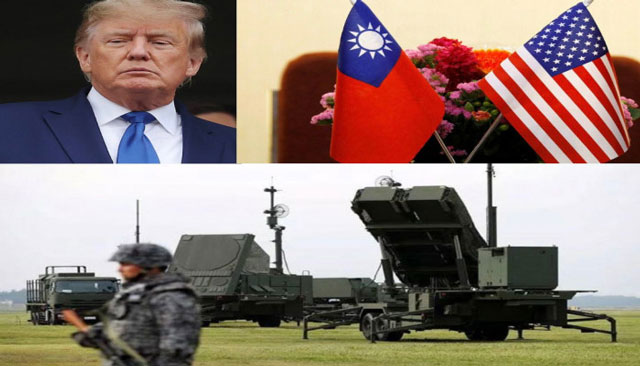
According to Taiwan’s Defence Ministry, the sale will strengthen self-defence capabilities, build deterrence, and support asymmetric warfare strategies, which focus on mobile, cost-effective, and precise military responses. Presidential spokesperson Karen Kuo expressed gratitude to the United States, stating the deal will help Taiwan safeguard peace through strength.
Taiwan President Lai Ching-te recently announced a $40 billion supplementary defence budget for 2026–2033, emphasizing “no room for compromise on national security.”
The Pentagon said the arms package aligns with U.S. national, economic, and security interests by supporting Taiwan’s ongoing military modernization and credible defensive capability. Rupert Hammond-Chambers, president of the U.S.-Taiwan Business Council, highlighted the potential use of HIMARS, which were effective in Ukraine, to counter any Chinese aggression.
China’s foreign ministry condemned the deal, claiming it undermines peace and stability in the Taiwan Strait. Spokesperson Guo Jiakun warned that aiding “Taiwan independence” would fail and bring consequences for the U.S.
The announcement followed a surprise visit by Taiwan’s Foreign Minister Lin Chia-lung to Washington last week to meet U.S. officials. The details of the discussions remain undisclosed.
The arms sale underscores the U.S.’s continued commitment to Taiwan, despite ongoing tensions with Beijing, and reflects efforts to deter potential conflicts in the strategically crucial Taiwan Strait.